Ready to join the fastest
growing TV Panel?
Sign up now, unlocking exclusive schedule of monthly MSR Retro tasks and earning yourself a minimum of £160 across the year
Join Now
Why does our reliance on AI become a bit too much or overbearing? How much do you rely on it for everyday tasks? Is it like our oracle now?
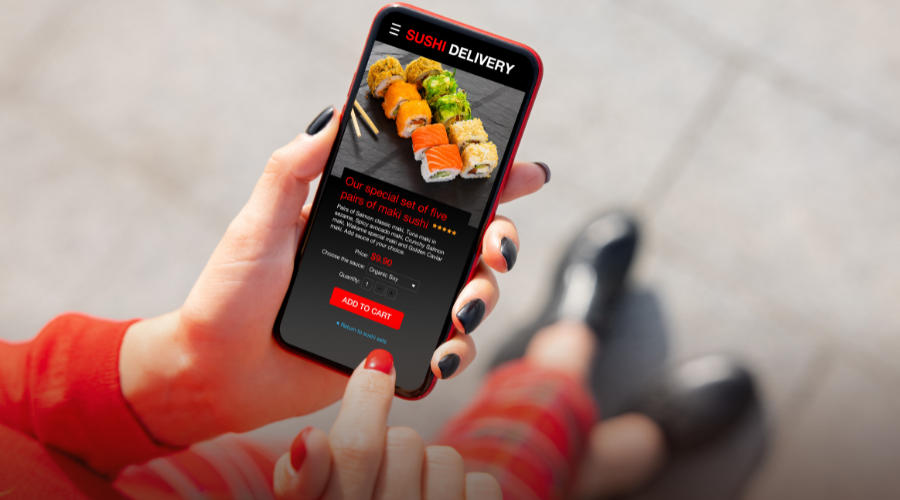
MSR users shared their ChatGPT and Google searches, which helped us unveled a new angle that looks into how we order food, mapping out the digital journey of our thought process when it comes to deciding where to eat, which platform, and what considerations we take before making the purchase. AI steps in as the execution layer, mapping convenience, proximity, and availability. This reframes AI from a preference-shaping tool into a fulfillment engine.
Food and beverage conversations shared by MSR consumers reveal that we're asking AI and search where to buy, not which brand to choose. Apparently we already have made up in our mind what we're in the mood for.
The top brands that have a special place in our mind? Big name retailers and delivery services such as McDonald's, Starbucks, Doordash, and Uber Eats. We then see an emergence of store names such as Walmart, and other fast food spots like Domino's, and Popeyes. Consumers are asking for convenience- where is the nearest Domino's?
So what's the main point we can take away from how users search for food? Brand consideration isn't influenced by search or AI, it's something that happens before the conversation. Users arrive with decisions already made, seeking fulfillment channels, and AI is there to help feed information.
What we discovered through ChatGPT prompts relating to food and beverage is that their prompts can be categorised into one of the three domininate categories: information seeking, health and wellness, or purchase intention.
The most common use of AI when it comes to anything relating to food or beverage is information seeking prompts, users asking
How long do I need to blend something in order to purée?
Or recipe instructions that are seeking inspiration, to science-based food questions. ChatGPT is utilised to inform, educate, and step in as a helpful just-in-time convenience tool. However, this prompt does raise the silent flag, the question, why are we choosing ChatGPT over other search engines?
Along the similar subject of science-based food questions, users were keen to get fit and n -shape, this was supplemented with the help of ChatGPT, giving nutritional guidance, ingredient substitution options, and product reviews/comparisons. Finally, the last category of purchase intent was where users knew they wanted to munch on, but wanted the convenience of knowing where the nearest place to purchase from was, or wanted ChatGPT to help curate a shopping list that would help them stick to a diet plan.
ChatGPT has exemplified itself as a platform that solicits advice, is able to contexualise and personalise responses efficiently to us, and can streamline ideas into action. However,this raises the overarching question of, has our reliance on AI become a bit too overbearing?
Were we already doing these type of searches on Google yet the creation of Chat has just streamlined our lunch time choices and made it even more efficient? Has it simply exposed behaviours we were already expressing on Google and other platforms, now streamlined into a single, more efficient interface?




We're updating our Privacy Notice on 21 September 2026. See what's changing
Mostly we're describing what we already do in more detail. Two new things, sharing for advertising and sharing details that identify you, are opt-in, so nothing changes unless you choose it.